
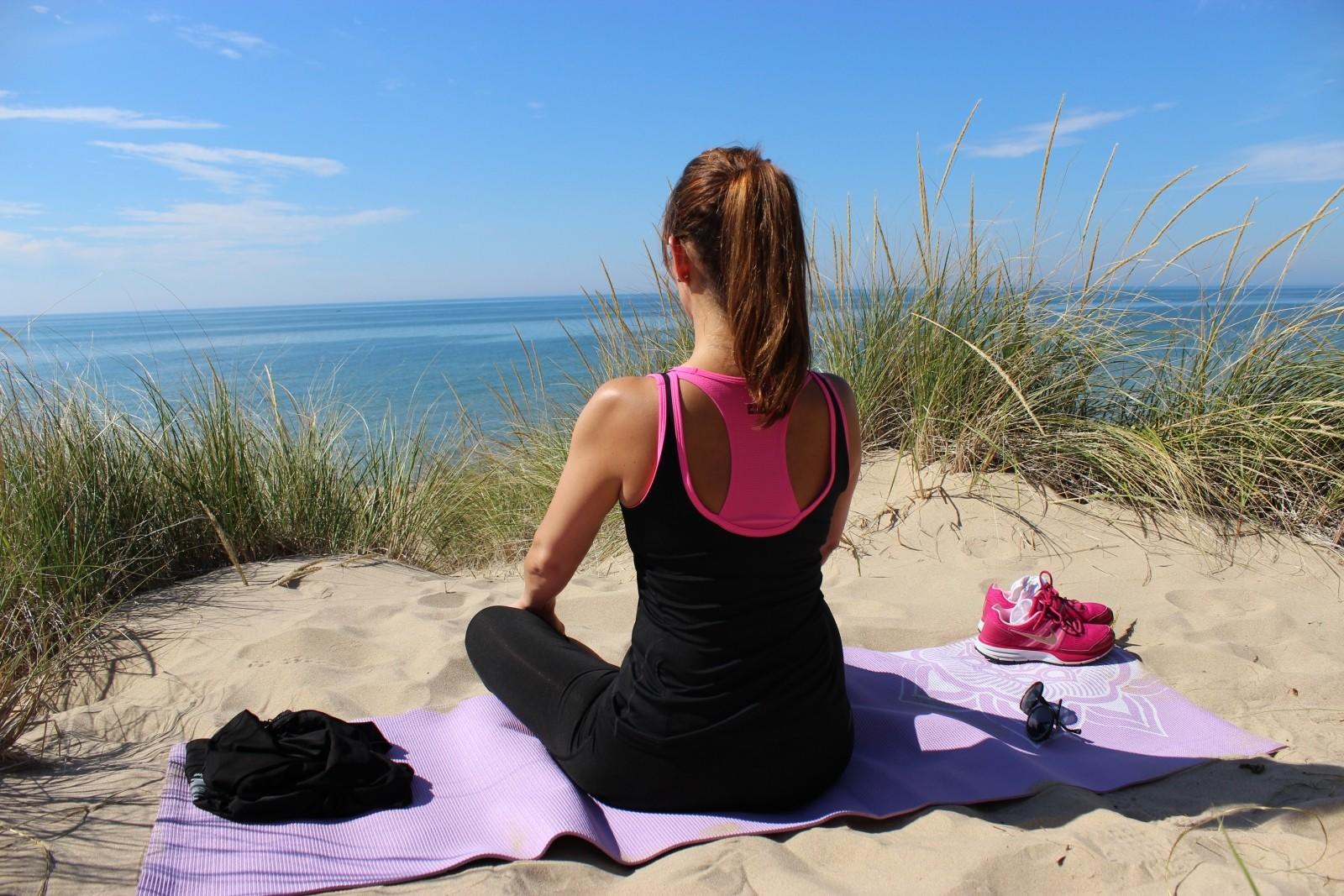

Vinyasa yoga, Ashtanga yoga, Hatha yoga, dynamic yoga ... Don't know what to bring? Proper attire is essential in order to be comfortable and able to hold your asana, as well as basic equipment to ensure a smooth yoga session.
- Have you booked your first yoga class in Manila with a yoga instructor?
- Have you just registered for a yoga course?
No need to waste time on the Internet to find the necessary gear and clothing, Superprof has done all the research for you and gives you all the best tips! Search Manila for the best yoga classes near me.


Yoga Mat: Essential for All Yoga Lessons!
First important piece of equipment: the mat, where you can practice your poses, stretching exercises, relaxation techniques, and breathing exercises.
A yoga mat is also useful for many other activities, such as pranayama, prenatal yoga for pregnant women, Bikram yoga, Pilates, yoga meditation, Hatha yoga, and other forms of movement and fitness.
At the beginning, you can use the mats provided by the yoga studio or fitness center where you take your classes. Some places may charge a small rental fee for using their equipment. However, if you practice yoga regularly, investing in your own mat can be a good decision for several reasons:
- You will usually feel more comfortable using your own mat compared to a borrowed one. The thickness, material, and grip can be chosen according to your body type and personal preferences, making your practice more enjoyable.
- It is more hygienic. A shared yoga mat may have been used by many different people over time, so having your own mat helps you maintain a cleaner practice environment.
- Buying your own yoga mat can help you save money in the long term compared with repeatedly renting one for every class.
Having your own mat is especially recommended if you plan to attend yoga classes regularly or practice at home. Remember to avoid using outdoor shoes on your mat to keep it clean, and consider cleaning it with a disinfectant spray after each yoga session to maintain good hygiene.
Read about the best music to listen to during yoga...
Four Criteria for Picking the Perfect Mat!

Once you've chosen the right yoga app, it's time to hunt down a mat! Angie, a full time yoga instructor and creator of the blog sassyyogi, breaks down the main points to bear in mind when choosing a yoga mat:
- Thickness: it's not rocket science that the thicker it is, the more comfortable the mat is. BUT it can also be more slippery and this can be problematic, especially if you tend to sweat a lot too!
- Lightness: you will have to carry your mat from home to your yoga class, and perhaps bring it all the way to work if you don't go home afterwards. Be careful not to choose something cumbersome that would get in the way on public transport, especially if you're using the tube!
- The material used. An age-old discipline bringing together body and mind, the practice of yoga is in line with the principles of fair trade and organic farming. No wonder yoginis prefer to buy a mats made from recycled materials rather than a product derived from oil! Mats made from PVC generally work best but they are also the most toxic. If you search enough online, you can find 100% organic cotton or a mixture of plants (like a mixture of latex and hemp), that are guaranteed PVC free. Make sure your vinyasa yoga or dynamic yoga session is environmentally friendly!
- The price is, of course, an important factor. You will see down below that this yoga accessory is a seriously lucrative business which can cost up to £100.
To make sure you are buying a mat for yoga, they are often rectangular, measuring around 180cm long and 70cm wide with a thickness of about 5mm. If you are just starting, an affordable basic mat can be enough for your first yoga sessions. More experienced practitioners may prefer investing in a higher-quality mat that offers better grip, durability, and comfort for regular practice. What a successful hatha yoga or vinyasa yoga class! Discover the best yoga instructors to follow on social media.

The Must-Have Accessories for Yoga Class
Most of the time, schools or organisations offering yoga classes provide members/trainees with all the necessary accessories to carry out their yoga session. Here are some of the products you would need:
- A mat to lie down and do poses (asanas) on. Preferably well padded to avoid breaking your back or catching a cold lying on the tiles, for example.
- Cushions. These can both serve as bodily support in certain positions, such as the lotus pose, to prevent the pelvis and sacrum from being pressed on the ground.
- Oval shaped meditation cushions are particularly good for meditating when in a squat position, resting on your heels. They give you wide and stable support and are perfect for people who are not very flexible or tall. Expect to pay about fifty pounds for this type of product.
All these accessories will be vital when doing various online yoga classes such as:
- Hatha yoga, accessible to everyone (stretching was inspired by this discipline),
- Ashtanga yoga (very dynamic yoga),
- Vinyasa yoga (also known as Hatha Flow)
- Kundalini yoga ("The objective is decentralized and selfless - help people actualize their Higher Self" according to an article by The Huffington Post)
- Yoga Nidra (improving sleep)
Iyengar yoga uses supports such as straps, blocks, blankets and ropes to ensure good posture.
If your preferred meditation position is sitting with your knees bent and your heels under your body, you may want to consider using a meditation bench. This small wooden stool is designed to provide better support and help you maintain this position comfortably for longer periods without experiencing discomfort.
A meditation bench can improve posture, reduce pressure on your ankles and knees, and make longer meditation sessions more enjoyable.
The average price of this type of product varies depending on the material and design, but a good-quality meditation bench is generally an affordable investment for people who practice yoga meditation or mindfulness regularly.
Sage meditation has published a comprehensive article to help you choose between a yoga cushion or a meditation bench, with several product recommendations. It deserves a read, even if it's just a skim.
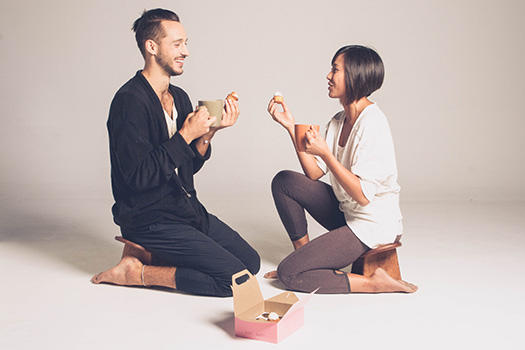
The yoga meditation bench, like a little stool, is placed under the bum so you're not resting on your heels. Straps and blocks are also used in some types of yoga classes such as lyenga and vinyasa. Other yoga styles focusing on meditation may also use mala. "Mala beads are a necessity for a rounded yoga practice...the beads assist you in counting chants and meditations without breaking your stream of consciousness." As explained in an article published by life hack.org on the 10 must have yoga accessories. The Lotus pose (or padmasana) is a sitting pose, used in hatha-yoga. It is also used in meditation by Buddhists. Melissa Eisler tells us:
The first thing is simply to sit up straight—on the floor, on a cushion or in a chair—it doesn’t really matter where, but a straight spine will help you to stay alert for your meditations. You want to feel alive and energetic while you meditate—physically and mentally—and sitting in a physical position that is upright encourages that alert state of being.
The right accessory can enhance the benefits of yoga, increasing your ability to fully let go and allowing you to meditate longer. Search for yoga classes near me all around the Philippines.
How to Choose the Right Yoga Clothes
You don't have to break the bank in order to do yoga. Keep in mind that your outfit must be comfortable and breathable, so as not to restrict movement. In terms of what items of clothing to wear, everything depends on what type of yoga you prefer:
A weekly yoga session: you'll need just one outfit!
Do you enjoy dynamic yoga?Are you trying a free yoga session to see if you like it? There's need to invest in an expensive yoga outfit! Make use of what you already have:
- Rather wide jogging bottoms or leggings that are thick enough so you can move easily,
- A vest top or tight-fitting T-shirt to prevent it from slipping,
- And a comfortable sweater for warm-ups and final relaxation sections.
That's it, you're all set!
Several yoga classes per week: technical attire is recommended.
Do you practice Yoga at least once a week or more?Are you tempted to start a yoga class? Superprof recommends specialised sportswear:
- Sports leggings,
- Bra and/or vest top
- As well as more technical fabrics such as polyester, elastane (fiber gives fabrics more elasticity) and merino wool which has incredible thermo-regulating properties.
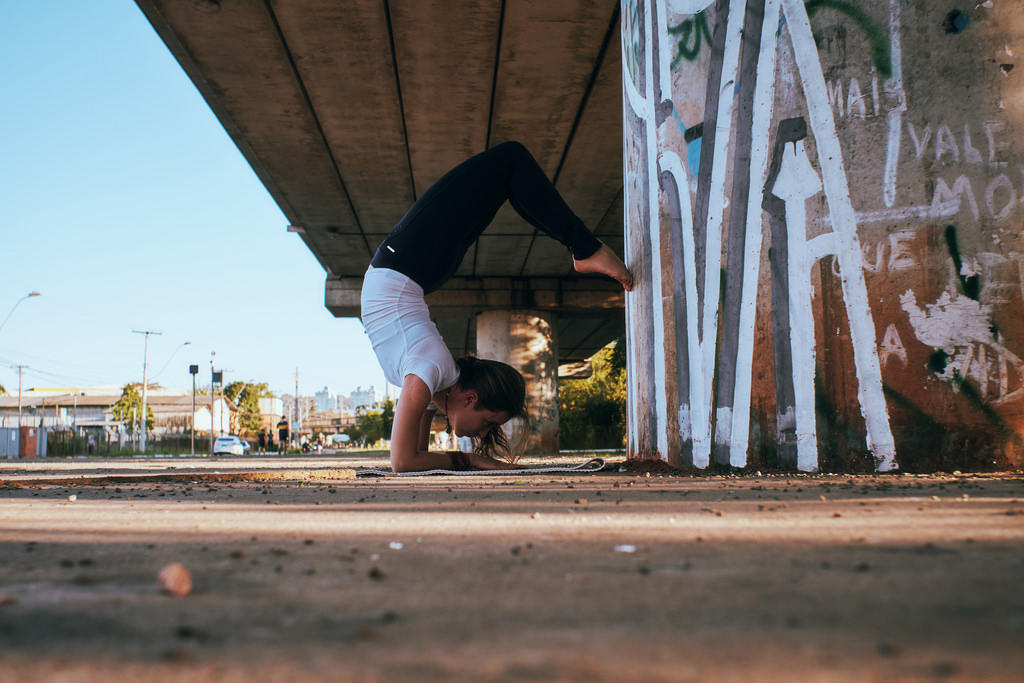
If you practice bikram (named after its creator Bikram Choudhury) or hot yoga, all you need is just a bra and shorts, to allow your body to perspire and cool down more easily, if you don't mind flaunting your body that is!
Yoga Practice at Home
Is it possible to do yoga exercises at home?
Absolutely! If you have a busy schedule, you can practice different types of yoga from the comfort of your home. Whether you want to try dynamic yoga, kundalini yoga, vinyasa yoga, or ashtanga yoga, online webcam lessons with a qualified yoga instructor can help you learn proper techniques and improve your practice.
Online yoga classes are a convenient way to discover yoga, develop flexibility, improve body awareness, and practice mindfulness without needing to travel to a studio.
Wherever you are in the Philippines, you can find an online yoga teacher who can guide you through personalized sessions adapted to your level, goals, and schedule.
Summarise with AI:
Did you like this article? Leave a rating!

 Loading...